Culture Tour
1. Overview
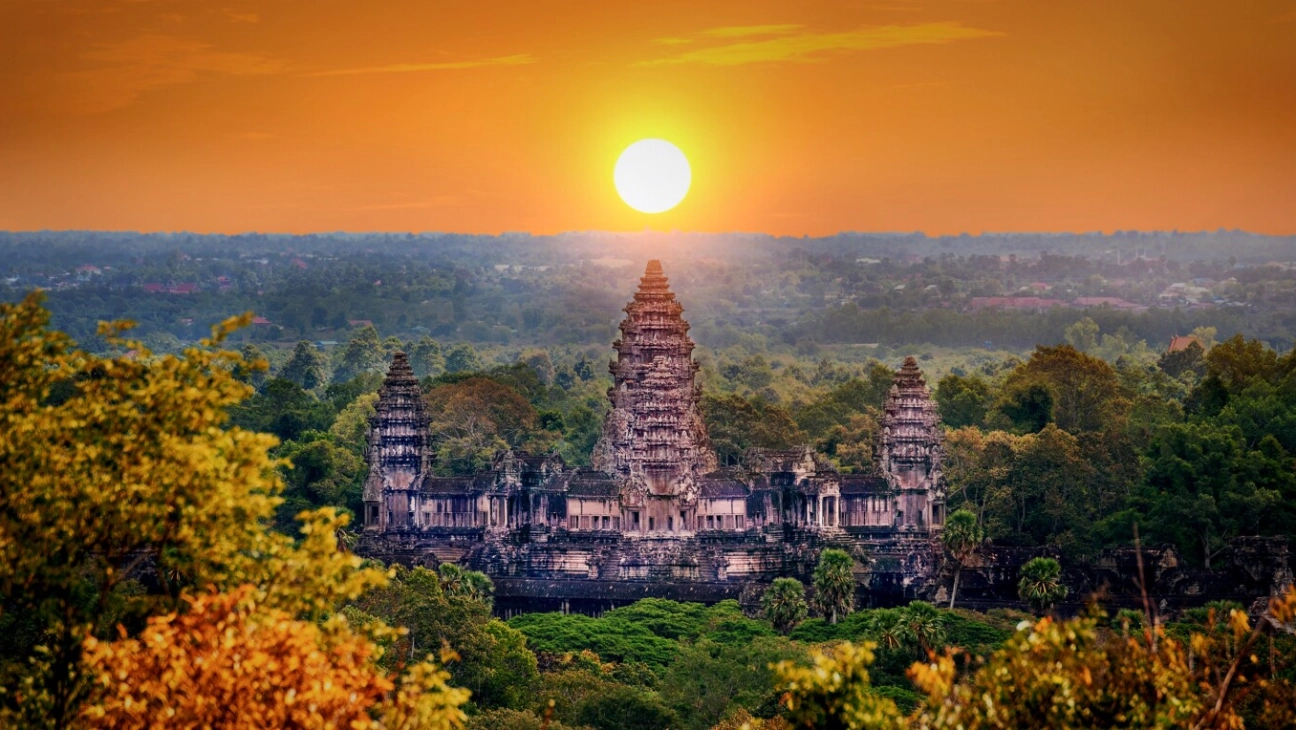
Siem Reap Province is basically the cradle of Angkorean civilization, and it is a province that offers plenty of opportunity to tourists enthralled by the Khmer culture. The ruins of Angkor, located amid forests and Farland, are now a UNESCO World Heritage Site. There are dozens of temple ruins in the Siem Reap area and it depends largely on how much time one has and one’s level of interest to determine how long one should spend to explore them.
This province is accessible on direct flights from many major cities in the region including Bangkok, Danang, Hanoi, Ho Chi Minh, Paksé, Vientiane, Kuala Lumpur, Singapore, Hong Kong, Kunming, Taipei, Manila, etc. From the capital of Phnom Penh, the Cambodia National Airline operates direct flights daily to and from Siem Reap.
Siem Reap Province can also be reached by speedboats along the Tonlé Sap from Phnom Penh and Battambang Province. The Siem Reap Province is conveniently situated 314 km northwest of Phnom Penh
This is a vibrant city with many modern hotels and old colonial buildings boasting awesome architecture. Much of the town’s image, culture, and traditions are conserved despite the influx of tourists from all over the world.
2.Overview
2.1. Angkor Wat
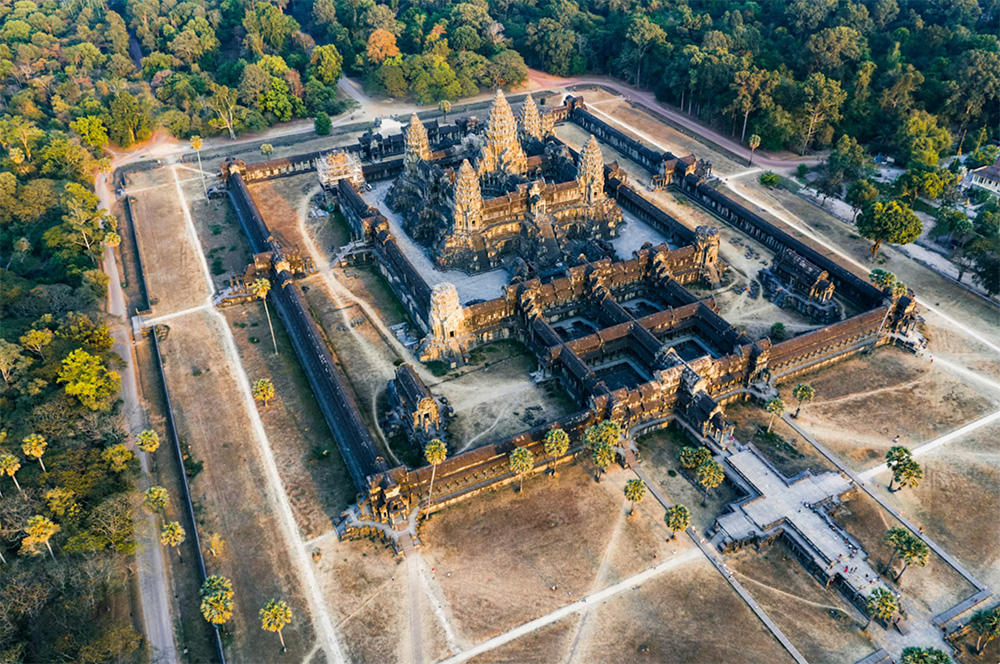
Angkor Wat temple combines two basic plans of Khmer temple architecture: the temple mountain and the later galleried temple, based on early South Indian Hindu architecture. Surrounded by a moat, an outer wall with three rectangular galleries, and a quincunx of towers in the center, clearly indicates that the Angkor Wat temple was designed to represent Mount Meru, home of the devas in Hindu mythology. The extensive bas-reliefs and the numerous guardian spirits adorning their walls serve as evidence of the strong Khmer religious beliefs.
2.2. Bayon Temple
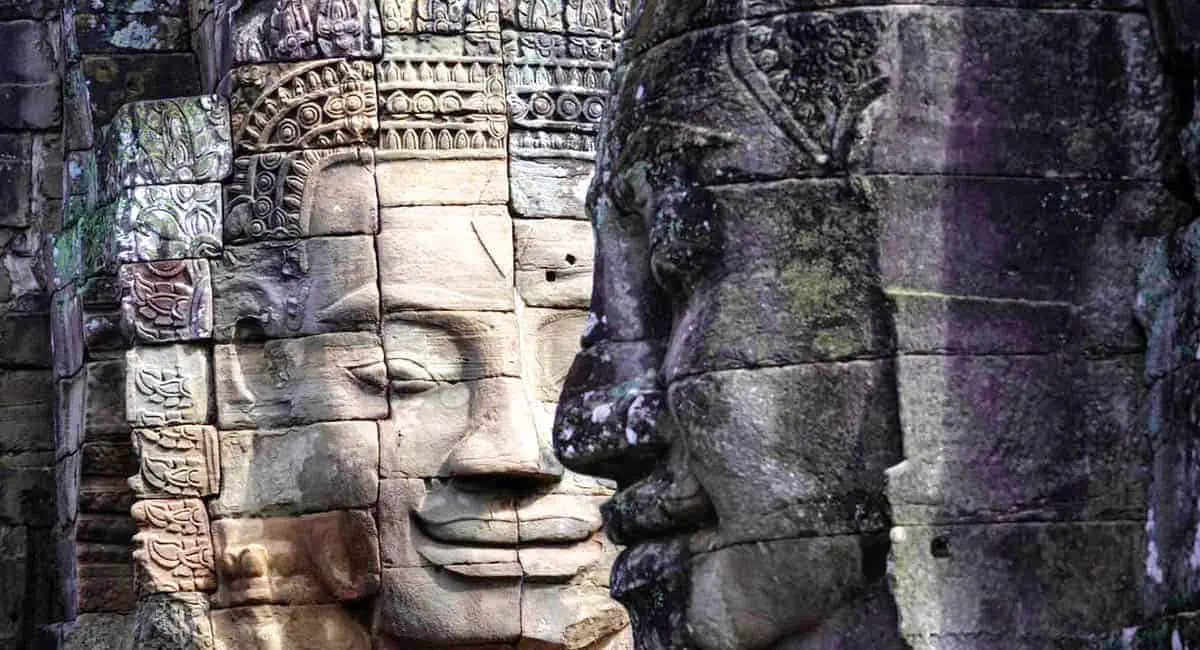
The Bayon was the state temple of King Jayavarman VII, built at the end of the 12th century. It is a mountain temple built to represent Mount Meru, the center of the universe in Hindu and Buddhist cosmology. However, unlike most Khmer temples, the Bayon is not surrounded by a moat and walls with gopura entrances. Bayon’s most distinctive feature is the multitude of serene and massive stone faces on the many towers that jut from the upper terrace and cluster around its center peak.
Bayon is known for its complex layout of galleries, walkways, and staircases, and its carvings are deeper but simpler than those at Angkor Wat.