Follow Us On:

About Siem Reap

Overview

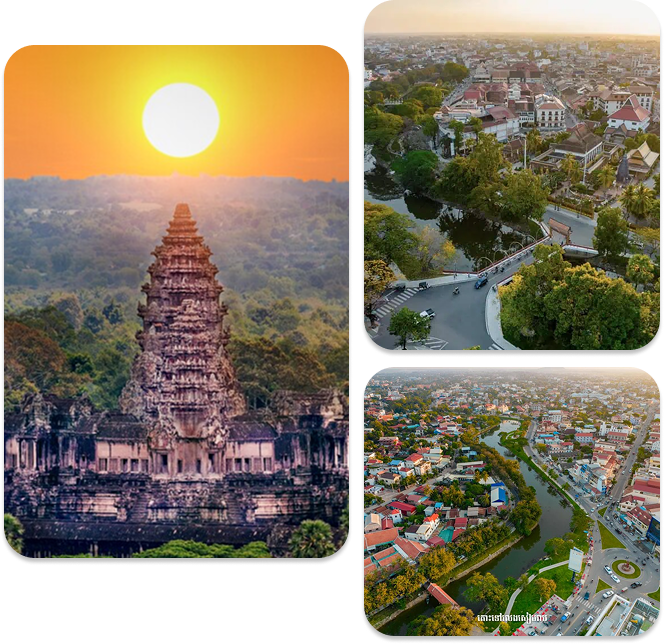
Siem Reap Province is basically the cradle of Angkorean civilization, and it is a province that offers plenty of opportunity to tourists enthralled by the Khmer culture. The ruins of Angkor, located amid forests and Farland, are now a UNESCO World Heritage Site. There are dozens of temple ruins in the Siem Reap area and it depends largely on how much time one has and one’s level of interest to determine how long one should spend to explore them.

This province is accessible on direct flights from many major cities in the region including Bangkok, Danang, Hanoi, Ho Chi Minh, Paksé, Vientiane, Kuala Lumpur, Singapore, Hong Kong, Kunming, Taipei, Manila, etc. From the capital of Phnom Penh, the Cambodia National Airline operates direct flights daily to and from Siem Reap.

Siem Reap Province can also be reached by speedboats along the Tonlé Sap from Phnom Penh and Battambang Province. The Siem Reap Province is conveniently situated 314 km northwest of Phnom Penh.

This is a vibrant city with many modern hotels and old colonial buildings boasting awesome architecture. Much of the town’s image, culture, and traditions are conserved despite the influx of tourists from all over the world.
II. Cultural tour site

Agnkor Wat

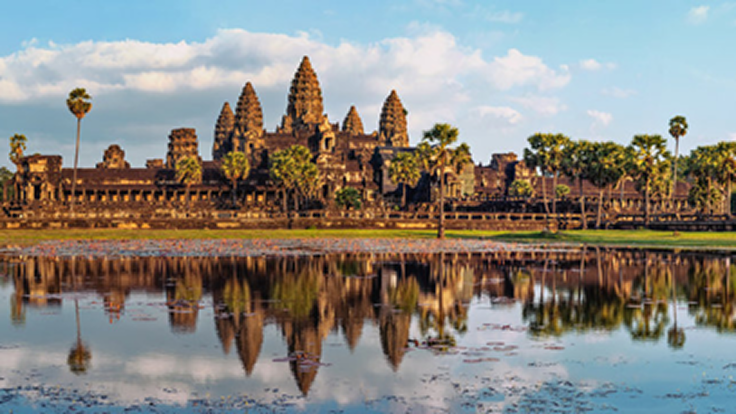
Angkor Wat temple combines two basic plans of Khmer temple architecture: the temple mountain and the later galleried temple, based on early South Indian Hindu architecture. Surrounded by a moat, an outer wall with three rectangular galleries, and a quincunx of towers in the center, clearly indicates that the Angkor Wat temple was designed to represent Mount Meru, home of the devas in Hindu mythology. The extensive bas-reliefs and the numerous guardian spirits adorning their walls serve as evidence of the strong Khmer religious beliefs.

Bayon Temple

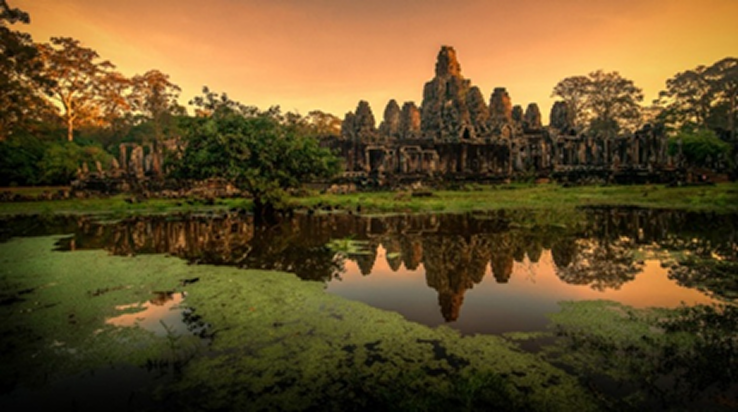
The Bayon was the state temple of King Jayavarman VII, built at the end of the 12th century. It is a mountain temple built to represent Mount Meru, the center of the universe in Hindu and Buddhist cosmology. However, unlike most Khmer temples, the Bayon is not surrounded by a moat and walls with gopura entrances. Bayon’s most distinctive feature is the multitude of serene and massive stone faces on the many towers that jut from the upper terrace and cluster around its center peak. Bayon is known for its complex layout of galleries, walkways, and staircases, and its carvings are deeper but simpler than those at Angkor Wat..

Another place for exploring in Siem Reap

Siem Reap offers a unique blend of history, culture, nature, and modern comforts. Participants who wish to explore beyond the ATP program may consider the following activities:

Visit Banteay Srei Temple

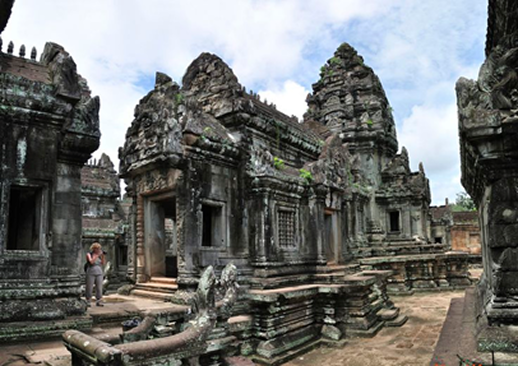
Banteay Srei is built primarily in red sandstone, a medium that lends itself to the elaborate decorative wall carvings which are still observable in fine details today. Measured by the standards of Angkorian construction, the buildings themselves are miniature in scale. These factors have led to its being widely praised as a ‘precious gem’, or the ‘jewel of Khmer art’ and perhaps the temple’s modern name, Banteay Srei or Citadel of Women, is probably related to the intricacy of the bas relief carvings of devatas found on the walls and the tiny dimensions of the buildings themselves.

Experience Tonlé Sap Lake and Floating Villages

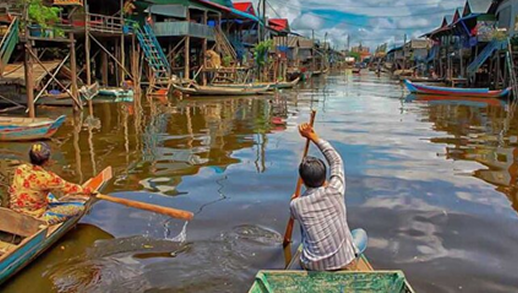
A visit to Tonlé Sap Lake, Southeast Asia’s largest freshwater lake, allows participants to observe floating villages and learn about local livelihoods that depend on seasonal water levels. This excursion offers valuable cultural and environmental perspectives.

Discover Siem Reap Town and Local Market

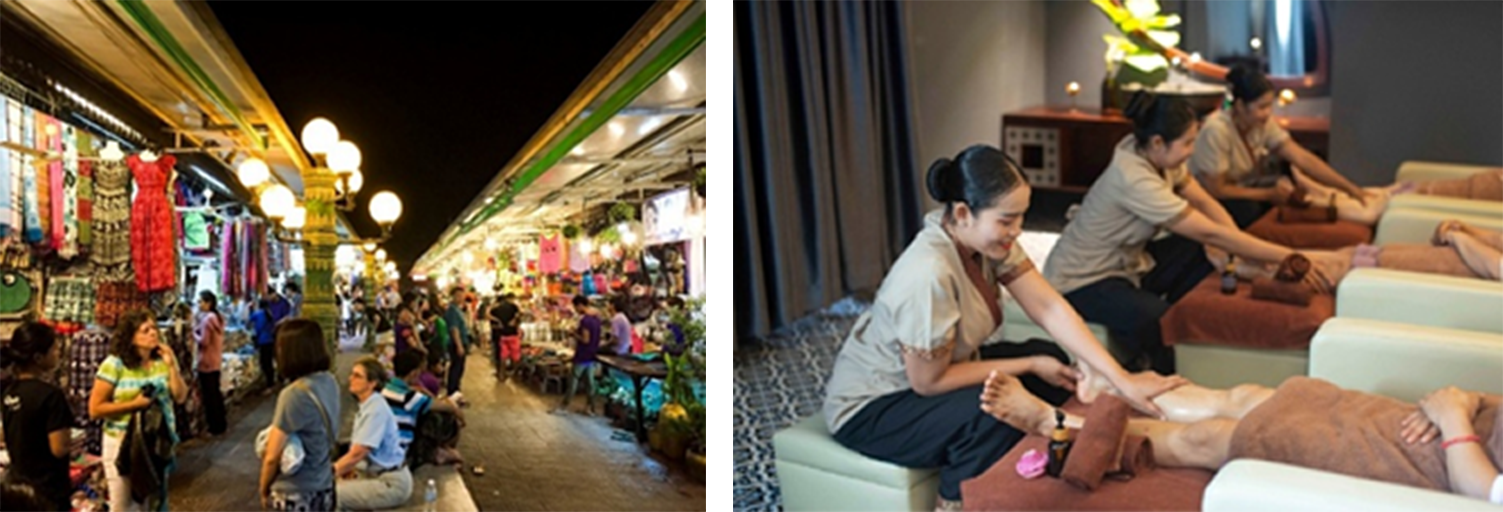
Along the streets, there are many shops offering services and goods ranging from the basic necessities to fine silk. You will also find chic galleries with beautiful display of local art pieces and lots of souvenirs; large shopping centers where you can relax with traditional Khmer massage, spa treatments,  and browse the many offers in air-conditioned comfort.

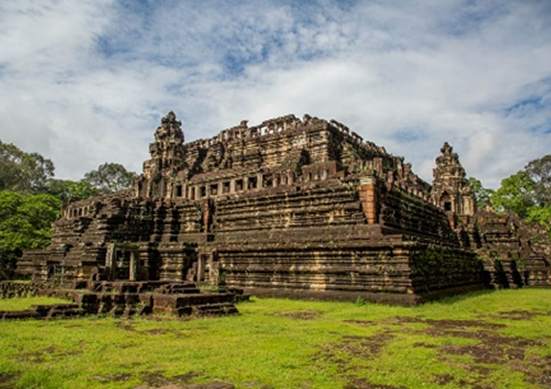
Baphuon Temple

is a huge temple‑mountain in the center of Angkor Thom. Much of it collapsed, and major restoration work is still ongoing, so only some areas are open to visitors. The entry gate, raised walkway, and parts of the outer area can be explored. Look for the unique animal carvings near the entrance, similar to those at West Mebon. On the west side, you can also see a large reclining Buddha added long after the temple was built.

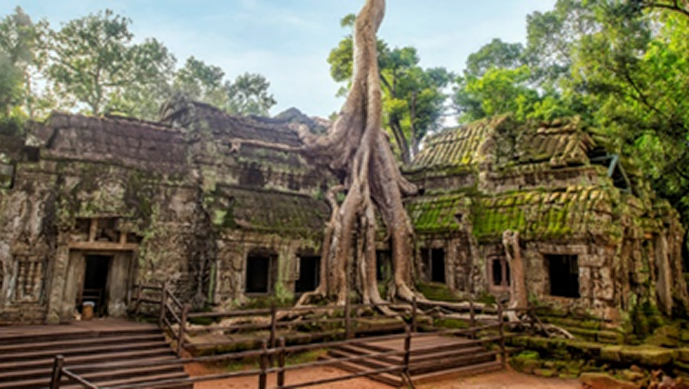
Ta Prohm Temple

A single small sandstone tower located opposite Angkor Wat, Ta Prohm Kel is the ruin of the temple or ‘chapel’ of one of the 102 hospitals built by Jayavarman VII throughout the kingdom. Of very similar design and state of ruin to the Chapel of the Hospital near Ta Keo. The Buddhist-themed carving on the northern pediment is in fair condition and displays marks of vandalism characteristic of the 13th century Hindu resurgence

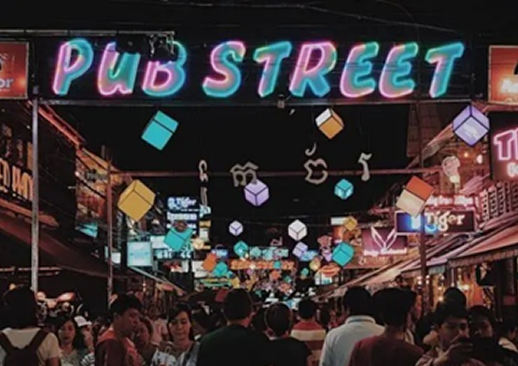
Pub Street

In Siem Reap, after returning from the temple tours in the evening, many tourists are taken to Pub Street to take advantage of the happy hour deals or a good meal. The street is so named because it is lined end to end on both sides by pubs, restaurants and shops. The street comes alive when the bars crank up the music and join the restaurants to spill their seats out onto the curbs. On this street, one can find bars and restaurants serving drinks and food of almost all culture and flavours.

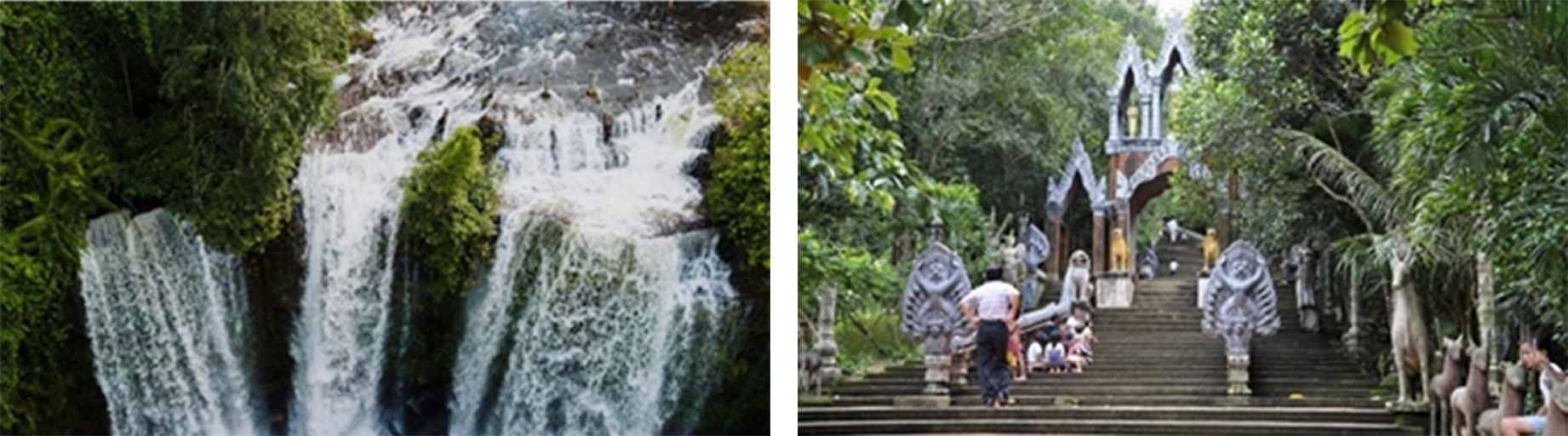
Phnom Kulen is a national park and sacred mountain about 48 km from Siem Reap, with its highest point at 487 meters. It is considered the birthplace of the Khmer Empire, where King Jayavarman II declared independence in 802 A.D.

The mountain is famous for its holy river carvings, including over 1,000 lingas and yonis beneath the water and a stone carving of Vishnu, Lakshmi, and Brahma. The river ends in a beautiful waterfall. Phnom Kulen is highly respected by Cambodians and is now a popular tourist destination

These activities offer a glimpse into the local culture, history, and lifestyle, providing a more comprehensive experience of Siem Reap beyond the typical temple tours.